
Most of us do not picture a dinner table when we think about Old Testament sacrifices. We picture an altar, a priest, and an animal. We think about the seriousness of sin, and rightly so.
But not every sacrifice served the same purpose. One of them did include a meal, and understanding that meal might help us approach our own Thanksgiving tables a little differently.
Leviticus 7 describes the thank offering as a kind of peace offering. It was not a sacrifice for sin. It was an expression of gratitude to God. There was an altar, but there was also food to share.
There was room at the table
The worshiper brought an animal along with bread. Then came an instruction that sounds unusual to those of us who count on Thanksgiving leftovers:
“The flesh of the sacrifice of his peace offerings for thanksgiving shall be eaten on the day of his offering. He shall not leave any of it until the morning” (Leviticus 7:15).
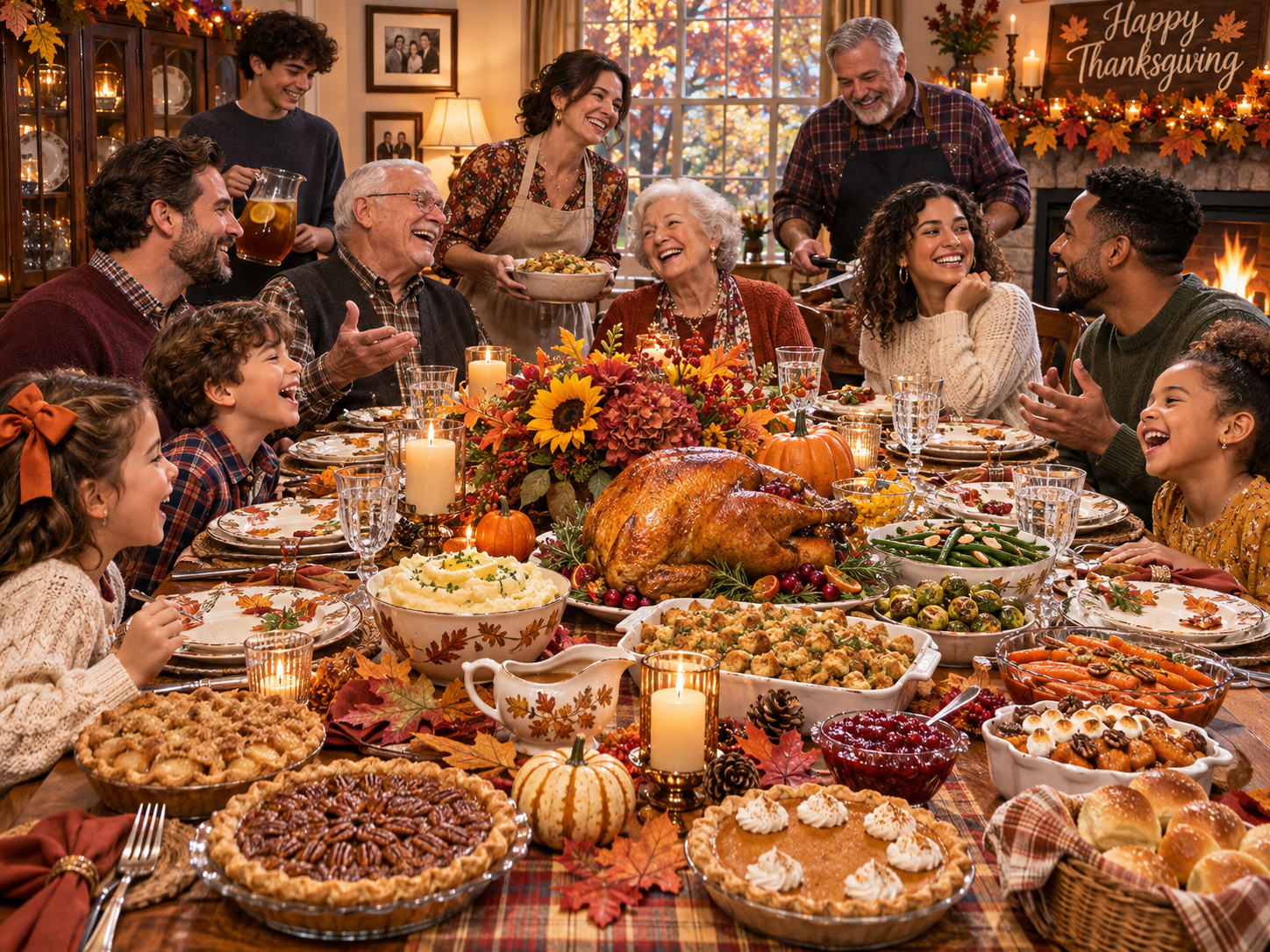
The thank offering had to be eaten that day. Think about the amount of food involved. The worshiper ate from the sacrifice, and there was bread as well. That much food, with that little time to eat it, likely meant a table full of family and friends. This was gratitude expressed through a meal, not merely a private thought. That gives us a helpful parallel to our Thanksgiving celebrations. People gathered, food shared, and an opportunity to acknowledge God’s goodness.
God did not need the food
Psalm 50 helps us understand what God wanted from His people. He was not hungry. He did not depend on their offerings to keep His household supplied. The cattle on a thousand hills already belonged to Him. He didn’t need anything from the people, but He did want something from them:
“Offer to God a sacrifice of thanksgiving” (Psalm 50:14). The ESV footnote gives this translation,“Make thanksgiving your sacrifice to God.”
God wanted more than an animal brought to the right place. He wanted gratitude from people who knew that everything they had came from Him.
We can miss that, too. We can prepare the meal, arrange the chairs, and remember everyone’s favorite dish while giving little thought to the One who has sustained us. A full table does not automatically mean a grateful heart.
Gratitude needs a voice
The thank offering was connected with more than eating. It was connected with telling,“Let them offer sacrifices of thanksgiving, and tell of His deeds in songs of joy!” (Psalm 107:22).
“Let them offer sacrifices of thanksgiving, and tell of His deeds in songs of joy!” (Psalm 107:22).
The food gave people something to share. God’s faithfulness gave them something to say. There is humility in thanking God out loud. When we say, “Thank You, Lord,” we are also acknowledging, “I needed You.” We did not provide every good thing for ourselves. We did not carry ourselves through every hard day. We have received mercy we could never earn.
That does not mean everyone at the Thanksgiving table needs to deliver a speech. It might be as simple as naming one specific way God has cared for you. Thank Him for someone who helped you. Thank Him for strength during a difficult season. Above all, thank Him for the grace He has given us in Jesus Christ.
We still have an offering to bring
We do not bring an animal to an altar. Jesus Christ has offered the final, sufficient sacrifice for our sins. We cannot add to His finished work, and we do not need to. But we still have an offering to bring,“Through Him then let us continually offer up a sacrifice of praise to God, that is, the fruit of lips that acknowledge His name” (Hebrews 13:15).
This Thanksgiving, enjoy the food and the people around your table. Make room for someone else if you can. And before the dishes are cleared, name the goodness of God where others can hear it.
Gratitude isn’t finished until it’s said.
John W. Crowder is Senior Pastor of First Baptist Church of West, Texas.

Leave a Reply